- ABOUT
- CONTACT
- FAQ
- REVIEWS
- GIVE A GIFT OF CFT!
-
Join the Club!
free things to do in New York City
Join the Club!
The quality and quantity of
free events,
free things to do
that happen in New York City
every day of the year
is truly amazing.
So don't miss the opportunities
that only New York provides:
stop wondering what to do;
start taking advantage of
free events to go to,
free things to do in NYC
today!
The quality and quantity of
free events,
free things to do
that happen in New York City
every day of the year
is truly amazing.
So don't miss the opportunities
that only New York provides:
stop wondering what to do;
start taking advantage of
free events to go to,
free things to do in NYC
today!
62 free things to do in New York City (NYC) on Saturday, October 24, 2026
All events are free unless otherwise noted.Editor's Picks

Park Walk | Discover the History & Design of One of New York's Most Unique Parks
Hear the story behind New York City's park in the sky: an insider's perspective on the park's history, design, and landscape. Note: Spots are assigned on a first-come, first-served basis.
Manhattan, New York, NY
Join the Club!
10:00 am
free, no reservation required
free, no reservation required

Park Walk | Diverse Tree Walk along the East River
What are trees doing in the fall, and how can we tell them apart? Explore diverse trees on a walk around the park while closely observing leaves, bark, branches, and fruit.
Brooklyn, New York, NY
Join the Club!
10:00 am
free, registration required
free, registration required

Workshop | Drawing in Nature
Paint in watercolor or use pastels and other drawing materials to capture the magical vistas of the Hudson River and the unique landscape of the park. An artist/educator will help participants of all levels with instruction and critique. Materials provided or bring your own.
Manhattan, New York, NY
Join the Club!
10:00 am
free, no reservation required
free, no reservation required

Park Walk | Fall Photography Tour through a Park Landscape
Participants will explore composition and perspective while photographing some of the park’s best fall foliage viewing, with red maples, sweetgums, and willows along the shoreline displaying spectacular color. A tour guide will share context about the landscape, wildlife, and history of the area. The entire program involves walking, including in some off-path areas that may be uneven, muddy, or wet. Wear comfortable, weather-appropriate clothing and shoes. Please bring your own camera.
Manhattan, New York, NY
Join the Club!
10:00 am
free, registration required
free, registration required
Tour | Hop-On Hop-Off Bus: Brooklyn Bridge, Financial District, 9/11 Memorial
This complimentary shuttle loops through more than 30 locations across Lower Manhattan, covering major sites from the Brooklyn Bridge to the Financial District and the World Trade Center area. Busses arrive about every 15 minutes throughout the day. Riders can board or exit at any marked stop, with unlimited trips at no cost. Daily service.
Manhattan, New York, NY
Join the Club!
10:00 am
free, no reservation required
free, no reservation required

Screening | International Events on the Big (30-foot!) Screen Outdoors: Tennis, Football, & Baseball
Today's Schedule:
10:00am - 12:00pm Tennis- Center Court Live: Brussels ATO, Lyon ATP, Almaty ATP, Osaka ATP, Ningbo WTA Semifinals
12:00pm - 3:30pm NCAA Football: Indiana vs Michigan
3:30pm - 6:30pm NCAA Football: Texas A&M vs Alabama
6:30pm - 8:00pm Tennis- Center Court Live: Brussels ATO, Lyon ATP, Almaty ATP, Osaka ATP, Ningbo WTA Semifinals
8:00pm - 11:00pm MLB- World Series Game 2
*Scheduled programming subject to change. Seating is open to the public on a first-come, first-serve basis. Wells Fargo customers receive priority seating.
Manhattan, New York, NY
Join the Club!
10:00 am
free, no reservation required
free, no reservation required

Workshop | Accessible, Grounding, & Restorative Yoga in the Park
Participants flow together and celebrate community through mindful movement with Yoga Sangraha. This is not a new style of yoga, but a gathering of timeless practices — accessible, grounding, and deeply restorative. Led with science and tradition at the heart, this class will guide you through a sequence of postures designed to balance, stabilize, and calm the body and mind. The word Sangraha means “a collection,” and this practice brings together postures and breathwork that activate the parasympathetic nervous system, helping you leave feeling focused, connected, and at ease. No prior experience needed — come as you are! Bring a bottled water. Organizers will provide the yoga mats. Weather permitting.
Manhattan, New York, NY
Join the Club!
10:30 am
free, registration required
free, registration required

Tour | Explore a Unique Pocket of NYC: A Look at History, Design, & Environment
A historical walking tour of the area's highlights. Look into the past of this unique area of NYC and learn about its exciting transformation and future. In this walking tour led by official guides, you'll examine how historic preservation, innovative design, and environmental stewardship make the area what it is today.
Manhattan, New York, NY
Join the Club!
10:45 am
free, RSVP required
free, RSVP required
Workshop | All-Levels Yoga Class in the Park
Roll out your mat and reconnect, right in the heart of the city. All-levels yoga class in the park on a Saturday morning. Whether you're a longtime practitioner or trying your first downward dog, come move your body, breathe deeply, and soak in the park at its best. Bring your own yoga mat and water bottle.
Manhattan, New York, NY
Join the Club!
11:00 am
free, RSVP required
free, RSVP required

Festival | Arts & Culture Open House: Music, Dance, & Visual Art Workshops for All Ages
A campus-wide extravaganza-filled with creativity, community, and exhilarating performances for families and audiences of all ages. This year’s schedule kicks off with Morning Meditations, an Art of Wellbeing event presented in collaboration with NewYork-Presbyterian, and continues throughout the day with family-friendly theater storytimes; a Climate Sing participatory community choir; an operatic storytelling workshop with The Metropolitan Opera; a dance workshop from The School of American Ballet and New York City Ballet; a jazz performance; costume and puppet making; a roaming puppet experience led by Boca del Lupo and ArtstageSAN; and so much more. Experience a taste of the wide range of performing arts at this venue year-round; all are encouraged to join in for the festivities!
Manhattan, New York, NY
Join the Club!
11:00 am
free, RSVP required
free, RSVP required
Festival | Celebrate Diwali in the Heart of the City (Shopping Bazaar, Food, Performances, Kid Activities, & More)
This Diwali festival features a vibrant and engaging Diwali Bazaar as well as a dedicated Kids Zone, where children can paint diyas, create colorful Rangoli art, and enjoy interactive storytelling activities. The afternoon will feature the 'Colors of India' program, exhibiting spectacular dance performances from different cultures around the world. The celebration culminates in a signature Diya (lamp) Lighting Countdown, a moment that lights up the space with a message of hope, unity, and new beginnings.
Manhattan, New York, NY
Join the Club!
11:00 am
free, no reservation required
free, no reservation required
Book Club | Discuss Your Favorite Romance Books with Fellow Readers
If you love romance or want to get into it, you're welcome at this romance book club! Attendees will be discussing their favorite romance books, current reads, and more!
Manhattan, New York, NY
Join the Club!
11:00 am
free, no reservation required
free, no reservation required

Tour | Exhibition Tour: The Pets of Famous Artists
Discover the history of performing artists and their animal companions, from Billie Holiday's boxer Mister and Anna Pavlova's pet swan Jack to Larry Kramer's beloved hound Molly. Animals have quietly shaped the lives and work of the world's most iconic performers, whether inspiring choreographers with their natural grace, enduring life on tour, or offering solace to opera divas battered by critics. The staff-led tour highlights the rich archives. Unleashed: Pets of the Performing Arts gives center stage to the animals behind the artists. This exhibition celebrates a unique cast of companions who mastered the very instincts performance demands.
Manhattan, New York, NY
Join the Club!
11:00 am
free, no reservation required
free, no reservation required
Museums | Family Fun with Maritime History
Family Day offers an ideal chance to gather everyone for a day at the museum, featuring a variety of hands-on activities, games, and adventures across the historic neighborhood. Grab your Family Day bingo card and begin exploring the Museum’s historic ships and exhibits, visiting activity stations along the route to earn your stamps.
Manhattan, New York, NY
Join the Club!
11:00 am
free, registration required...
free, registration required...

Tour | Guided Exhibition Tour Exploring Ancient Magic Practices
A walk through the current exhibition, Cursed! The Power of Magic in the Ancient World. From its integration into religious traditions in Mesopotamia and Egypt, to its marginal, often illicit status in Greece and Rome, magic played a central role in ancient societies. Cursed! examines the visualization and practice of magic between 2000 BCE and 300 CE in these communities, featuring rare objects in a variety of media–including sculpture in stone and bronze; decorated ceramics; amulets in semiprecious stones, gold, and silver; and papyrus scrolls. Taken together, these artifacts reveal a shared human desire: to influence the unseen forces shaping life and death.
Manhattan, New York, NY
Join the Club!
11:00 am
free, no reservation required
free, no reservation required

Museums | Jewish History: Centuries of Art
As one of the largest collections of art in Jewish culture globally, the venue features an extensive array of historical Jewish artifacts as well as modern and contemporary art.
Manhattan, New York, NY
Join the Club!
11:00 am
free, reservation required
free, reservation required

Workshop | Learn to Juggle in the Park
This juggling class is ideal for a quick lesson, an extended practice session, or just enjoy watching jugglers put their skills to the test. They're a friendly group and open to drop-ins, even if you catch them outside of the regular juggling lessons.
All skill levels welcome. Equipment is provided.
Manhattan, New York, NY
Join the Club!
11:00 am
free, no reservation required
free, no reservation required
Musical | Short Musicals by Emerging Artists
Artists present their new musical theater works to the public. A special first performance of these works! Since 2014, this summer musical theater writing program, Across a Crowded Room, has brought together lyricists, composers, bookwriters, and performers to form new collaborations and write 20-minute musicals with advice from experts in the industry.
Manhattan, New York, NY
Join the Club!
11:00 am
free, registration required
free, registration required
Workshop | Creative Writing with Foundational Techniques (All Levels Welcome)
This workshop is designed to help attendees unlock their creative potential. Engage in fun idea generating exercises and work together to get results and find joy in the writing process. All writers of any experience level are welcome. If you're curious, come check it out! This workshop will explore foundational writing techniques and best practices. Prior attendance is not required. Attendees will investigate alternative, non-traditional narrative forms, as well as read and discuss short stories and poetry.
Manhattan, New York, NY
Join the Club!
11:30 am
free, registration required
free, registration required

Tour | Exploring One of New York's Iconic Fifth Ave Institutions
Designed to inspire, building highlights include:
The only free, publicly accessible rooftop terrace in Midtown
A dramatic "Long Room" with 42-foot-high atrium offering five levels of open, browsable book stacks
Commissioned public art celebrating creativity and curiosity
Manhattan, New York, NY
Join the Club!
11:30 am
free, registration required
free, registration required

Workshop | Full-Body Circuit Training
This circuit training class combines bodyweight resistance training and conditioning to provide you with a dynamic full-body workout. Whether you are a beginner who wants to learn proper form or know your way around the gym and looking for a challenge, this class is for you. Come engage in exercises that target all muscle groups and will get your heart pumping. Instructor: Rachel Prozeller
Manhattan, New York, NY
Join the Club!
11:30 am
free
free

Park Walk | Outdoor Tree Walk Identifying Local Flora: Discover the Biodiversity of the City
A local nature team leads a guided tour. Near-ly 3,500 trees make up this area's canopy, pro-vid-ing essen-tial ben-e-fits all New York-ers: they cap-ture and remove pol-lu-tion from the air, help mit-i-gate cli-mate change by absorb-ing and seques-ter-ing car-bon diox-ide, reduce runoff and oth-er flood-ing dur-ing weath-er events, help cool com-mu-ni-ties, and fos-ter crit-i-cal bio-di-ver-si-ty. Please note: these tours are held entire-ly out-doors. Please dress with the weath-er in mind.
Manhattan, New York, NY
Join the Club!
11:45 am
free, donations welcome,...
free, donations welcome,...

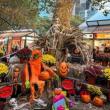
Festival | Autumn Pumpkin Festival: Costumes, Pumpkins, Food, & More
Visitors are invited to pick out their own pumpkins. Costumes are highly encouraged, with trick-or-treating at the park's historic houses. Food vendors will be on-site with fall-themed food and drink available for purchase. Please limit pumpkins to one per person per household, and plan to bring your own tote bag/reusable bag to hold your pumpkins.
Manhattan, New York, NY
Join the Club!
12:00 pm
free, no reservation required
free, no reservation required
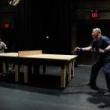
Workshop | Ping Pong Workshop & Tournament
Come early to play during the open play time from 12pm - 1pm, first come, first serve. The tournament, which will be held between 1pm - 3pm, will include eight all-age teams from the local ping pong community competing for cash prizes.
Manhattan, New York, NY
Join the Club!
12:00 pm
free, tickets required
free, tickets required
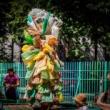
Fair | Street Fair Celebrating Social Justice (Dance, Food, Activities, & More)
A daylong event including performance, international food, ethical vendors, children's activities, and more. Eco-Artist-in-Residency, Jody Sperling, and her Time Lapse Dance ensemble will present a short, visually-stunning program starting at 1:30pm. Enjoy works that illuminate the body's connection to the urban wilderness while providing creative and ethical sustenance for the soul. All ages welcome!
Manhattan, New York, NY
Join the Club!
12:00 pm
free, no reservation required
free, no reservation required
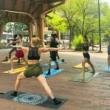
Workshop | Yoga Reset in the Park
This yoga class is designed to support the mental and physical health of our community through movement, mindfulness, and connection. The program offers a space to stretch, breathe, talk, and reset. No prior experience needed -- come as you are! Bring a bottled water. Organizers will provide the yoga mats. Weather permitting.
Manhattan, New York, NY
Join the Club!
12:00 pm
free, registration required
free, registration required
Festival | K-Pop Halloween Party in the Park
A Spooky K-Pop Day! Dress your best for the costume contest, check out live performances, and join the Random Play Dance. Schedule:
12:30pm: Bracelet and keychain making, photo ops, and glitter tattoos
1pm: Dance performances presented by K-Pulse NYC and other local cover groups
1:30pm: Costume contest showcase
2pm: Costume contest awards ceremony
2:30pm: Random Play Dance
Manhattan, New York, NY
Join the Club!
12:30 pm
free, registration recommended
free, registration recommended
Tour | Explore a Unique Pocket of NYC: A Look at History, Design, & Environment
A historical walking tour of the area's highlights. Look into the past of this unique area of NYC and learn about its exciting transformation and future. In this walking tour led by official guides, you'll examine how historic preservation, innovative design, and environmental stewardship make the area what it is today.
Manhattan, New York, NY
Join the Club!
12:45 pm
free, RSVP required
free, RSVP required
Workshop | Artmaking on the Plaza with a Professional Artist
Led by a local teaching artist, this drop-in class invites participants to explore creativity through hands-on artmaking. Past mediums have included plein-air drawing, printmaking, cyanotypes, and more. All materials are provided.
Manhattan, New York, NY
Join the Club!
1:00 pm
free, no reservation required
free, no reservation required
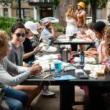
Workshop | Climate-Themed Gallery Tour, Meditation, & Climate Cafe
Mem-bers of the CUNY community lead a day of climate consideration. Climate cafes are lis-ten-ing cir-cles for your cli-mate-linked emo-tions. Get help facing your climate anxiety and connect with impact-ful local organizers. Vegan snacks provided!
Manhattan, New York, NY
Join the Club!
1:00 pm
free, RSVP required
free, RSVP required

Festival | Oktoberfest on the Plaza: Karaoke, Halloween Parade, & More
Face painting, pumpkin decorating, and lawn bowling, crafts, carnival games, and prizes. Revel in the atmosphere of a country farm among scarecrows, hay bales, cornstalks, and pumpkins with Halloween costumes on parade. The park's cafe offers food and drink for sale with open-mic karaoke staged on the adjacent raised platform. The garden is open with a self-guided story-book tour for kids. Win prizes contributed by neighborhood eateries, plus Halloween giveaways, treats and sweets.
Manhattan, New York, NY
Join the Club!
1:00 pm
free, no reservation required
free, no reservation required

Workshop | Poetry Gathering: 4 Different Workshops Led by Prize-Winning Writers
A series of poetry workshops with instructors Megan Fernandes, Wendy Xu, D.S. Waldman, and Dorothea Lasky. Each session lasts an hour, and participants are welcome to attend one or more sessions. The day will wrap up with a reading featuring the instructors and workshop participants.
Manhattan, New York, NY
Join the Club!
1:00 pm
free, donations welcome,...
free, donations welcome,...
Staged Reading | Shakespeare's Richard II: Historical Drama
A history play about the lifetime and reign of King Richard II of England (r. 1377-1399). As a dramatised period history of the English monarchy, Richard II chronicles the machinations of the noblemen of the royal court who conspire, precipitate, and realise the downfall and death of the King of England. Written by William Shakespeare Performed by The Instant Shakespeare Company
Manhattan, New York, NY
Join the Club!
1:15 pm
free, no reservation required
free, no reservation required

Play | A Doll's House: Modern Adaptation of Ibsen's Classic Drama
Amy Herzog's A Doll's House follows Nora Helmer, a woman who secretly borrows money to save her husband Torvald's life. When her secret is threatened with exposure, Torvald's reaction reveals that he values his reputation more than Nora's sacrifice. Nora realizes that she has been treated as a "doll" rather than an equal partner. She therefore decides to leave her marriage and family to discover her identity, independence, and freedom. Originally written by Henrik Ibsen. Adapted by Amy Herzog. Directed by Elissa Goetschius
Manhattan, New York, NY
Join the Club!
2:00 pm
free, registration required
free, registration required

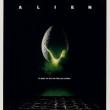
Film | Alien (1979): Horror Sci-Fi Film from Ridley Scott, Starring Sigourney Weaver
In deep space, the crew of the commercial starship Nostromo is awakened from their cryo-sleep capsules halfway through their journey home to investigate a distress call from an alien vessel. The terror begins when the crew encounters a nest of eggs inside the alien ship. Director: Ridley Scott Cast: Tom Skerritt, Sigourney Weaver, Veronica Cartwright, Harry Dean Stanton, John Hurt, Ian Holm, Yaphet Kotto Sir Ridley Scott is an English film director and producer with an intense visual style. He's best known for his sci-fi, crime, and historical epic films. He's well-decorated for his work, including the 2018 BAFTA Fellowship for Lifetime Achievement, two Primetime Emmys, and a Golden Globe. He was knighted by Queen Elizabeth II and appointed a Knight Grand Cross by King Charles III. Sigourney Weaver is an American actress who has received various accolades, including a British Academy Film Award, two Golden Globe Awards, and a Grammy Award, in addition to nominations for three Academy Awards, four Primetime Emmy Awards, and a Tony Award.
Manhattan, New York, NY
Join the Club!
2:00 pm
free, no reservation required
free, no reservation required
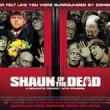
Film | Shaun of the Dead (2004): Zombie Comedy from Edgar Wright
The uneventful, aimless lives of a London electronic salesman and his layabout roommate are disrupted by the zombie apocalypse. Director: Edgar Wright Cast: Simon Pegg, Kate Ashfield, Lucy Davis, Nick Frost, Dylan Moran, Bill Nighy Edgar Wright is an English filmmaker who is known for his fast-paced and kinetic, satirical genre films, which feature extensive use of expressive popular music, Steadicam tracking shots, dolly zooms, and a signature editing style that includes transitions, whip pans, and wipes.
Manhattan, New York, NY
Join the Club!
2:00 pm
free, registration required
free, registration required
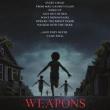
Film | Weapons (2025): Mystery Horror Film
When all but one child from the same classroom mysteriously vanish on the same night at exactly the same time, a community is left questioning who or what is behind their disappearance. Director: Zach Cregger Cast: Josh Brolin, Julia Garner, Alden Ehrenreich, Austin Abrams, Cary Christopher, Toby Huss
Manhattan, New York, NY
Join the Club!
2:00 pm
free, no reservation required
free, no reservation required
Jazz | Afternoon Jam Sesh (Play Music or Just Listen)
This jam session is open to all musicians. Come and play or just listen to some jazzy tunes.
Manhattan, New York, NY
Join the Club!
2:00 pm
free, 1 drink...
free, 1 drink...
Classical Music | Bohemian Rhapsody, Viennese Grace: Brahms and Dvorak (with East River View)
Mark Peskanov, violin, Nicholas Tzavaras, cello, and Doris Stevenson, piano. Piano trios of Dvorak and Brahms.
Brooklyn, New York, NY
Join the Club!
2:00 pm
free, no reservation required
free, no reservation required
Museums | Explore Collection Featuring Goya, Velazquez, El Greco, and More
Explore a museum's history, special collections, and landmarked spaces. It contains objects of artistic, historic, and literary interest for the advancement of the study of the Spanish and Portuguese languages, literature, and history around the world. Led by educators, the tours last 45-60 minutes and provide an engaging introduction to the artworks and archives on view.
Manhattan, New York, NY
Join the Club!
2:00 pm
free, RSVP required...
free, RSVP required...

Tour | History of Houdini in NYC Tour through CIty Streets
Discover Houdini's roots in the dime museums of the Bowery and his ascendancy in the Golden Age of Magic! Marvel at his battles with the Spiritualists! And find out once and for all if spirits do return (as Houdini famously claimed to prove was not the case) with a visit to a site of one of the famous Houdini seances! This walking tour takes guests through the Village as the group traces the history of Houdini and his milieu of dime museums and performance in the Golden Age of Magic. And, in the spirit of Halloween -- and the 100th anniversary of Houdini's own mysterious death -- we'll delve into the world-famous battle of Houdini vs. the Spiritualists, and his lasting, complex legacy in the world of the paranormal. Highlights include:
Turn-of-the-century Dime Museums on the Bowery, where Houdini got his start
A notorious site of Houdini's haunted legacy
Locations related to the history of Spiritualism, and Houdini's legendary battle with it
The house where a famous Houdini seance took place
Manhattan, New York, NY
Join the Club!
2:00 pm
free, registration required
free, registration required
Discussion | How Art and Science Can Honor Indigenous Histories & Ecologies
Mohawk artist Alan Michelson and ecologist Eric W. Sanderson join together. They explore how art and science can surface and honor the Indigenous histories and ecologies embedded in contemporary New York, while considering strategies for recovering lost abundance.
Manhattan, New York, NY
Join the Club!
2:00 pm
free, no reservation required
free, no reservation required
Festival | Spooky Campfire Songs & Stories (Music, Lawn Games, & More)
Cozy up to a campfire for stories and songs with family and friends featuring a live performance, nature activity, art projects, lawn games, and so much more!
Manhattan, New York, NY
Join the Club!
2:00 pm
free, no reservation required
free, no reservation required

Workshop | Writing Session for Free Expression, Diversity, & Democracy
Celebrate freedom of expression – yours – in an afternoon of creative activism designed to energize and engage the writing community. Together, participants will write inspired by prompts about freedom and democracy. Then those who are moved to do so can share their work with the group at the open mic. Lift your pen and raise your voice!
Manhattan, New York, NY
Join the Club!
2:00 pm
free, registration required
free, registration required
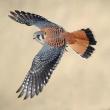
Park Walk | Island Birdwatching: Discover Local Avians
Whether you're an expert birder or a beginner, this tour is designed to help you discover what makes this island an excellent place for birding. Did you know that nearly 240 bird species have been spotted here?
Manhattan, New York, NY
Join the Club!
2:15 pm
free, registration required
free, registration required
Screening | 3 Films from Experimental Dramatist Christoph Schlingensief
There is no appreciating the work of the late experimental dramatist Christoph Schlingensief (1960-2010) outside the context of state arts funding and the public sphere. As with his polarizing adaptations of canonical operas and plays, Schlingensief eagerly blurred the boundaries between theater, activism and performance art. 100 Years of Adolf Hitler: The Last Hour in the Fuhrerbunker (1989) Schlingensief applied the endurance-testing techniques of live theater to the production of this 55-minute hand grenade of a film, which opens with a hilarious rebuttal to Wim Wenders' Wings of Desire. Shot over 16 continuous hours in a shared, claustrophobic bunker space, 100 Years of Adolf Hitler paints the Third Reich's last gasp as a grotesque slapstick routine, with Hitler the perennial butt of the joke; in Schlingensief's world, there's no honor in suicide nor glory in defeat. This proudly vulgar, frantic approach anticipates the salaciousness of the true-crime genre--the film is lit by a single diegetic flashlight--while upending the expectations of future generations by rewarding their macabre curiosity with sickening excess. The German Chainsaw Massacre: The First Hour of the Reunification (1990) In The German Chainsaw Massacre, the reunification ceremony at the Reichstag is offset by news that 4% of those crossing from East to West Germany never completed the journey. While Tobe Hooper's original Texas Chainsaw Massacre addressed the abandonment of rural America, Schlingensief's breathtakingly gnarly German export tracks a family of West German (or "Wessi") sausage-makers who see an inherent opportunity in reunification. Schlingensief's gloriously campy, proudly un-subtle approach makes The German Chainsaw Massacre a bellwether for post-Cold War globalization and disquieting parody of the idea that Germany had successfully moved on. Terror 2000: Germany Out of Control (1992) The final entry in Schlingensief's trilogy looks to the new millennium (per its title) and--testifying to Schlingensief's perspicacity--the problem of anti-immigrant bigotry. Two federal detectives are sent to enquire after the disappearance of a West German social worker and a Polish family that had been under his care. Their investigation leads them to the fictional town of Rassau, an unmistakable stand-in for the city of Rostock where asylum seekers were attacked by neo-Nazis over the course of several days in August 1992. Two ex-gangsters (played by Udo Kier and Alfred Edel) successfully rebrand themselves as anti-immigrant nationalists, directly evoking the perpetrators of the 1988 Gladbeck hostage crisis. Schlingensief's interest is not just to keep attention on Germany's immediate past, but also in the way murderous agitators can successfully harness the attention of Germany's foaming-at-the-mouth news media and, eventually, curry favor with political leaders.
Manhattan, New York, NY
Join the Club!
3:00 pm
free, registration required
free, registration required
Dance Performance | Works-in-Development by Emerging Dance Artists
Facilitated by Ishmael Houston-Jones since the ’90s and currently co-curated by Houston-Jones with curators, this event presents showings by artists at all stages of their careers. This afternoon features performances by Victoria Lynn Awkward and JOYBOY. The session will be followed by questions and conversation between the artists, curator, and audience.
Manhattan, New York, NY
Join the Club!
3:00 pm
free, RSVP required
free, RSVP required

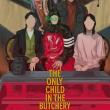
Screening | Korean Film Festival: The Only Child in the Butchery (2025) -- Korean Crime Thriller
Orphaned as a child, Tae-seob was raised in his uncle's butcher shop, working without pay and calling the man "father" in return. Now grown, Tae-seob asks for wages to start a new life with the woman he loves but is met with cold dismissal. Yet when he discovers his uncle freely spending money to hide an affair, Tae-seob sees an opportunity. But as he pulls one thread after another, Tae-seob finds himself trapped in a web of deceit far more dangerous than he imagined, where every step forward leads deeper into betrayal, and nothing unfolds as expected. Director: Yoo Hyoung-joon Cast: Kwon Ji-woo, Jung Hyung-suk English subtitles available.
Manhattan, New York, NY
Join the Club!
4:00 pm
free, RSVP required
free, RSVP required
Party | Play Chess (+ Live Music)
A special event on the occassion of Rafał Skoczek's offsite solo exhibition, Kino Drift. Visitors are invited to play games of chess with each other while a series of live musical performances unfold. The event will feature sound performances by Jeff Witscher with Daren Ho, Madeline Stepien, Snail6, Karolina Konstancia, Adam Markiewiczm and Under Oil Star, Rafal Skoczek, and Harley Hollenstein. All playing levels are welcome.
Manhattan, New York, NY
Join the Club!
4:00 pm
free, RSVP required
free, RSVP required
Classical Music | Serene Organ Meditations in Intimate Venue (In Person AND Online!)
Enjoy a program of hymns, anthems, and voluntaries for the organ.
Manhattan, New York, NY
Join the Club!
4:00 pm
Free, donations are...
Free, donations are...
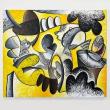
Opening Reception | Aftermath: Solo Exhibition of Diptychs Moving through Spectacle, Reckoning, & Liberation
In this exhibition, Vernon O'Meally paints the two parts of every crash: the impact and the image that comes after. Each diptych puts a free-form abstract panel, worked like jazz from rhythm and impulse, next to a hyper-rendered wreck of an American or European icon: a Chevelle SS, a Countach, the General Lee, an E30. The abstract half is the collision itself, pure energy, no regard. The rendered half is what's left once the noise stops, and it's the part we photograph and share. The series is built around the X of the Confederate battle flag, the saltire, and moves through three stages: spectacle, reckoning, and liberation. The General Lee, one of the most famous cars on television and a vehicle for that flag, sits empty mid-collision while a small crowd on the horizon holds up phones to record its fall. It isn't a celebration or a mourning. It's a witness. O'Meally's linescape mark-making, which he has developed since 2011, runs through the abstract panels. The work comes out of a practice where music has always been the source and the painted line acts like a beat.
Manhattan, New York, NY
Join the Club!
6:00 pm
free, RSVP required
free, RSVP required
Opening Reception | Fashion: Solo Photography Exhibition from MoMA & Whitney-Featured Artist
An exhibition of work by American photographer Tina Barney. The exhibition brings together nearly four decades of Barney's major editorial commissions and campaigns for global fashion brands, between the late 1980s and the present--works that continue to expand the range of the artist's photography practice. Fashion has played a central role in Barney's life from a young age: the artist's mother, Lillian Fox, was a former model whose sense of style deeply inspired Barney. After developing a practice in photography in Sun Valley, Idaho, in the late 1970s, and then relocating to New York, where she exhibited at The Museum of Modern Art and the Whitney Biennial in the 1980s. As in all of Barney's works, the photographs on view draw out her subjects' lives, real or imagined, to further explore the motif of family ritual.
Manhattan, New York, NY
Join the Club!
6:00 pm
free, no reservation required
free, no reservation required

Opening Reception | The Total Actor: Solo Multi-Media Exhibition of the Intentionally Undefined & Mutable
Kiyomi Quinn Taylor's works bringing together painting, drawing, textile, collage, moving image, performance, and installation. Taking its title from the idea of the “total actor,” a term with roots in Method acting, the exhibition considers Taylor’s practice through one all-encompassing premise: that the total actor is determined by their ability to perform the “total act.” What constitutes the total act within the exhibition remains intentionally undefined and mutable. At times it can be Taylor’s uncanny ability to mirror the showmanship of a stage magician through her work, suspending the audience’s disbelief long enough for them to enter and embrace the illusion as reality. In Taylor’s practice, however, the goal is not to make a synthetic reality appear real, but to shed light on the invisible realities beneath the surface…
Manhattan, New York, NY
Join the Club!
6:00 pm
free, RSVP required
free, RSVP required
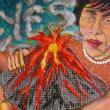
Classical Music | Felix Mendelssohn's Piano Trio & More (In Person AND Online!)
Catherine Birke, violin, Nico Olarte-Hayes, cello, and Oliver Hagen, piano. Program to include Felix Mendelssohn's Piano Trio No. 1 in D Minor, Op. 49.
Manhattan, New York, NY
Join the Club!
6:00 pm
free, no reservation required
free, no reservation required
Poetry Reading | Haiku Poetry Performance Party
Experience the collective effervescence of radical poetic co-creation at the HAIKU SLAM! Every audience member will get to participate and have their moment to SHINE, seventeen syllables at a time. This competitive yet oh-so-collaborative haiku slam is facilitated by Lisa Ann "LAMarks" Markuson, founder and Chief Poetic Officer of Ars Poetica, the haiku gal trained by Japanese monks in the art of perfectly balanced micro-poetry. Get ready for prizes and poetic surprises in this fun poetry performance party.
Manhattan, New York, NY
Join the Club!
6:00 pm
free, donations welcome,...
free, donations welcome,...
Book Discussion | Prizewinning French Author Discusses Her New Nonfiction Book, The Cavalier
Nathalie Quintane will be in conversation with translator Jonathan Larson and writer Catherine Taylor. About the Book: A Parisian ’68er embarks to the provinces to teach high school Philosophy but is soon driven out for “corrupting the youth.” Fifty years later, and teaching in the same French Alpine town, Nathalie Quintane delves into the scandal to probe the political order and the failures of a utopian generation. Since the 1990s, Nathalie Quintane has written more than 20 rigorous and genre-defiant works, each distinctive in scope and precision, critiquing everything from the literary marketplace and the education system, to fascization in France and abroad.
Manhattan, New York, NY
Join the Club!
7:00 pm
free, no reservation required
free, no reservation required
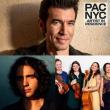
Concert | Sharp Songwriting with Adventurous Contemporary Strings
New York–based songwriter and guitarist Mark McIntyre joins Bergamot Quartet for an intimate performance. Together, they bring a shared curiosity and collaborative spirit, creating music that moves fluidly between songcraft, chamber music, and experimentation. McIntyre’s forthcoming album, Bells Are Ringing Etc, features Bergamot Quartet alongside a wide circle of collaborators, building on a body of work that spans songwriting, recording, composition, and creative residencies. Bergamot Quartet is known for championing living composers through bold programming, new commissions, and boundary-crossing collaborations.
Manhattan, New York, NY
Join the Club!
7:00 pm
free, RSVP recommended
free, RSVP recommended
Play | A Doll's House: Modern Adaptation of Ibsen's Classic Drama
Amy Herzog's A Doll's House follows Nora Helmer, a woman who secretly borrows money to save her husband Torvald's life. When her secret is threatened with exposure, Torvald's reaction reveals that he values his reputation more than Nora's sacrifice. Nora realizes that she has been treated as a "doll" rather than an equal partner. She therefore decides to leave her marriage and family to discover her identity, independence, and freedom. Originally written by Henrik Ibsen. Adapted by Amy Herzog. Directed by Elissa Goetschius
Manhattan, New York, NY
Join the Club!
7:30 pm
free, registration required
free, registration required
Screening | Korean Film Festival: Savon (2025) -- Korean Crime Thriller
After a close call with her sleazy new boyfriend, Jae-in discovers a prominent soap company is offering a service to clean up more than just your average mess. Discreet, corporate-minded, and methodical, the outfit in question does a good job, allowing Jae-in to go back to her life as an aspiring actress. She’s haunted by lingering paranoia, however, and soon she remembers a loose end that needs attending to… Director: Lee Jun-sup Cast: Jung Yi-ju, Kwak Min-kyu, Park Jong-hwan
Manhattan, New York, NY
Join the Club!
7:30 pm
free, RSVP required
free, RSVP required
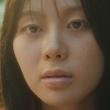
Classical Music | Violin Works by Debussy, Ysaye, & More (In Person AND Online!)
Hankyoung Linda Chang, violin. Program: Claude Debussy (1862-1918) Violin Sonata in G Minor Eugene Ysaye (1858-1931) Sonata for Solo Violin in G Major, Op. 27 No. 5 Mario Davidovsky (1934-2019) Synchronisms No. 9 John Corigliano (1938-) Sonata for Violin and Piano
Manhattan, New York, NY
Join the Club!
8:30 pm
free, no reservation required
free, no reservation required
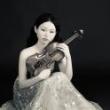
Comedy Club | Standup Show
Catch some of the best comedians at this free weekly stand-up show, featuring a lineup of rising stars and seasoned favorites. Past performers include Sheng Wang, Mark Normand, Dan Soder, Annie Lederman, and more.
Manhattan, New York, NY
Join the Club!
9:00 pm
free, reservation required...
free, reservation required...

Comedy Club | Animal Documentary with Live Comedy
Mystery Science Theater meets Animal Documentary at Drunk Planet Earth. Hosted by Brian Morabito (Dropout) and Stephen Buckley (UCB), the twist of the show comes when the audience tries to stump the hosts with animal questions. Come for the animal facts, stay for the drunk hosts trying to remember what they know about giraffes.
Manhattan, New York, NY
Join the Club!
9:30 pm
free, tickets required
free, tickets required

Join the Club!
Complimentary Tickets
to shows, concerts ... (CFT Deals!)
Classical Music | Chopin, Debussy and More at a Landmark Venue
Regular Price: $80CFT Member Price: $0.00
Performance | Comedy by 13-time Emmy Winner with Broadway Actors
Regular Price: $69CFT Member Price: $0.00
Today's Events
All 871 Events
Free Events This Week
Free Events This Weekend
Contact FAQ Reviews About Terms of Use Privacy Policy
All events are free unless otherwise stated. All programs subject to change. Please confirm before going.Contact FAQ Reviews About Terms of Use Privacy Policy
© Copyright Club Free Time. All rights reserved.