- ABOUT
- CONTACT
- FAQ
- REVIEWS
- GIVE A GIFT OF CFT!
-
Join the Club!
free things to do in New York City
Join the Club!
The quality and quantity of
free events,
free things to do
that happen in New York City
every day of the year
is truly amazing.
So don't miss the opportunities
that only New York provides:
stop wondering what to do;
start taking advantage of
free events to go to,
free things to do in NYC
today!
The quality and quantity of
free events,
free things to do
that happen in New York City
every day of the year
is truly amazing.
So don't miss the opportunities
that only New York provides:
stop wondering what to do;
start taking advantage of
free events to go to,
free things to do in NYC
today!
53 free things to do in New York City (NYC) on Friday, October 2, 2026
All events are free unless otherwise noted.Editor's Picks

Concert | Alex Warren LIVE: Grammy-Nominated Artist (Outdoors)
A fun start to the day with singer-songwriter Alex Warren. Fans on the General Admission line will be admitted if space permits. It's advised that you arrive early to join the line. Generally, concerts happen rain or shine. Check-in for those with fan passes is at 5:15 a.m. The start time is approximate. Photo ID required for entry. Generally, concerts happen rain or shine.
Manhattan, New York, NY
Join the Club!
7:00 am
free, no reservation required
free, no reservation required

Workshop | Morning Yoga on the Plaza
Start your morning off balanced and refreshed with a yoga class led by local yoga instructors Mariah and Frances. Bring a yoga mat and water bottle.
Manhattan, New York, NY
Join the Club!
8:30 am
free, no reservation required
free, no reservation required
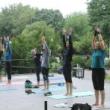
Workshop | Tai Chi (Outdoors)
Improve balance, strength, and focus through gentle exercises. The sights and sounds of the harbor provide a serene background for the ancient flowing postures.
Manhattan, New York, NY
Join the Club!
8:30 am
free, no reservation required
free, no reservation required

Symposium | Curators, Artists, & Scholars Revisit Argentina's Pop Art Movement of the 1960s
A schedule of lectures, panels, and screenings will explore the groundbreaking work of Argentine artists that emerged in the postwar period in Buenos Aires. The establishment of the Instituto Torcuato di Tella in 1958 was foundational to the advancement of cultural production in Argentina. In subsequent years, it became a central site for the circulation of media and Pop art in Latin America, launching the careers of numerous local artists and enabling new forms of experimentation. A selection of curators, artists, and scholars will discuss the artists of this movement, their influences, and the lasting impact on future generations of Latin American artists. 10 am-1 pm Marathon sessions Participants: Delia Cancela, Eduardo Costa, Ruth Estevez, David Lamelas, Leopoldo Maler, Marta Minujin, Harper Montgomery, and Manuela Moscoso 3-6 pm Film screening and performance 6:30 pm Keynote lecture Ines Katzenstein
Manhattan, New York, NY
Join the Club!
10:00 am
free, registration for...
free, registration for...
Museums | Friday at Pop Culture/Art Museum
Through temporary exhibitions, a growing permanent collection, and educational events, this museum examines the significant influence of posters on society and culture, and how they are adapted for modern use. As the first poster museum in the United States, it offers a space for inquiry for anyone interested in design, advertising, and public interventions, with the goal of enhancing design literacy among the general public.
Works explore:
mass communication and persuasion
the intersection of art and commerce
control of the public domain
Manhattan, New York, NY
Join the Club!
10:00 am
free, no reservation required
free, no reservation required
Screening | International Events on the Big (30-foot!) Screen Outdoors: Tennis, Golf, Basketball, & Movie
Today's Schedule:
10:00am - 12:00pm Golf- DP World Tour Alfred Dunhill Links Championship
12:00pm - 5:30pm Tennis
6:00pm - 8:00pm Fall Movie Night: Chicago (2002)
8:00pm - 9:30pm WNBA- Playoffs
*Scheduled programming subject to change. Seating is open to the public on a first-come, first-serve basis. Wells Fargo customers receive priority seating.
Manhattan, New York, NY
Join the Club!
10:00 am
free, no reservation required
free, no reservation required

Tour | Behind the Design: Architect-Led Walkthrough of an Award-Winning Landmark Park
Landscape architect Signe Nielsen, MNLA ,and Architect of Record Fabian Jabro, Standard Architects, lead a tour about how this city island began as a simple plan to revive a pier destroyed by Hurricane Sandy and turned into an award-winning public park that has welcomed over 7.5 million visitors. You'll hear the thought process behind the winding pathways, colorful blooms and lush lawns from the woman who envisioned them along with the stories about creating the engineering feat that is the tulip pots from the man that helped to bring Heatherwick's design to life. The event repeats at noon
Manhattan, New York, NY
Join the Club!
10:30 am
free, no reservation required
free, no reservation required

Workshop | Zumba Workout for All
Enthusiastic instruction and easy-to-follow Latin dance choreography working on balance, coordination, and range of motion.
Manhattan, New York, NY
Join the Club!
10:30 am
free, no reservation required
free, no reservation required
Museums | Asian Art and Culture Museum
The museum features a diverse collection of artworks, including traditional and contemporary pieces from various Asian cultures. They typically have guided tours at 2 pm.
Manhattan, New York, NY
Join the Club!
11:00 am
free, reservation required
free, reservation required

Museums | Design Museum and Sculpture Garden
The museum was designed and created in the 1980s by one of the twentieth century's most important landscape architects and designers. It preserves the artist's legacy by showcasing his creations: sculptures, furniture, lighting designs, ceramics, architecture, and more. Note: The museum's second-floor galleries are closed for installation.
Queens, New York, NY
Join the Club!
11:00 am
free, no reservation required
free, no reservation required
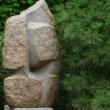
Tour | Behind the Design: Architect-Led Walkthrough of an Award-Winning Landmark Park
Landscape architect Signe Nielsen, MNLA ,and Architect of Record Fabian Jabro, Standard Architects, lead a tour about how this city island began as a simple plan to revive a pier destroyed by Hurricane Sandy and turned into an award-winning public park that has welcomed over 7.5 million visitors. You'll hear the thought process behind the winding pathways, colorful blooms and lush lawns from the woman who envisioned them along with the stories about creating the engineering feat that is the tulip pots from the man that helped to bring Heatherwick's design to life.
Manhattan, New York, NY
Join the Club!
12:00 pm
free, no reservation required
free, no reservation required
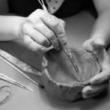
Workshop | Clay Sculpture Lesson (Part 1)
Participants will have the opportunity to roll up their sleeves and start hand-building their own unique sculptures using all sorts of fun tools and techniques. Whether you follow our playful prompts or go totally freestyle, you'll leave with something truly one-of-a-kind.
In the first session, the group will work on hand-building sculptures using a variety of tools. All materials will be provided, including clay, wood tools, paints and brushes. No prior experience necessary, just bring your imagination!
Manhattan, New York, NY
Join the Club!
12:00 pm
free, registration required
free, registration required
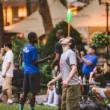
Workshop | Learn to Juggle in the Park
This juggling class is ideal for a quick lesson, an extended practice session, or just enjoy watching jugglers put their skills to the test. They're a friendly group and open to drop-ins, even if you catch them outside of the regular juggling lessons.
All skill levels welcome. Equipment is provided.
Manhattan, New York, NY
Join the Club!
12:00 pm
free, no reservation required
free, no reservation required
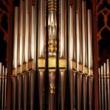
Classical Music | An Afternoon of Organ Works by J.S. Bach in a Beautiful Church (In Person AND Online!)
Take a momentary respite from a busy day to enjoy a selection of organ works by Johann Sebastian Bach in an intimate venue.
Manhattan, New York, NY
Join the Club!
12:20 pm
free, no reservation required
free, no reservation required
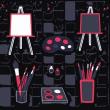
Workshop | Artmaking on the Plaza with a Professional Artist
Led by a local teaching artist, this drop-in class invites participants to explore creativity through hands-on artmaking. Past mediums have included plein-air drawing, printmaking, cyanotypes, and more. All materials are provided.
Manhattan, New York, NY
Join the Club!
1:00 pm
free, no reservation required
free, no reservation required
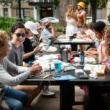
Workshop | Crafting Community: Work on Personal Projects & Make New Friends
Freeform crafting and conversation! Bring your own project or choose something from the collection to work on. The organizers have materials for sewing, knitting, crochet, coloring, and paper crafts. All programs are subject to change or cancellation.
Manhattan, New York, NY
Join the Club!
1:30 pm
free, registration required
free, registration required
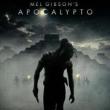
Film | Apocalypto (2006): Epic Historical Action-Adventure
Set in the Mayan civilization, when a man's idyllic presence is brutally disrupted by a violent invading force, he is taken on a perilous journey to a world ruled by fear and oppression where a harrowing end awaits him. Through a twist of fate and spurred by the power of his love for his woman and his family he will make a desperate break to return home and to ultimately save his way of life. Director: Mel Gibson Cast: Rudy Youngblood, Raoul Trujillo, Mayra Serbulo, Dalia Hernandez, Jonathan Brewer, Gerardo Taracena
Manhattan, New York, NY
Join the Club!
2:00 pm
free, no reservation required
free, no reservation required
Film | Get Out (2017): Psychological Horror Film from Jordan Peele
A young African-American visits his white girlfriend's parents for the weekend, where his simmering uneasiness about their reception of him eventually reaches a boiling point. Director: Jordan Peele Cast: Daniel Kaluuya, Allison Williams, Bradley Whitford, Caleb Landry Jones, Stephen Root, Catherine Keener Jordan Peele is an actor, comedian, and filmmaker. He is known for his film and television work in the comedy and horror genres. He has received various accolades, including an Academy Award and a Primetime Emmy Award. Peele started his career in comedy before transitioning to writing and directing psychological horror with comedic elements. In 2017, Peele was included on the annual Time 100 list of the most influential people in the world.
Manhattan, New York, NY
Join the Club!
2:00 pm
free, no reservation required
free, no reservation required

Jazz | Afternoon Jam Sesh (Play Music or Just Listen)
This jam session is open to all musicians. Come and play or just listen to some jazzy tunes.
Manhattan, New York, NY
Join the Club!
2:00 pm
free, 1 drink...
free, 1 drink...
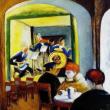
Staged Reading | The Long-Distance Love of Tap-Board and Elena: Original Romantic Drama Exploring Truth, Memory, & Belonging
In 2019 Rhode Island, a messy love triangle emerges among Tap-Board, a young Puerto Rican aspiring tap dancer; Elena, a Puerto Rican nurse attempting to heal her trauma from Hurricane Maria; and Sean, a white carpenter getting his feet back on the ground after serving time in prison. When Tap-Board's teacher Teddy, an older Black American dancer trying to revive his career, ends up in Elena's hospital, the four of them lock into a rhythmic counterpoint of painful truths, memories, and fractured belonging. Written by Orlando Hernandez. Directed by Rebecca Martinez.
Manhattan, New York, NY
Join the Club!
3:00 pm
free, RSVP required
free, RSVP required

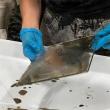
Workshop | Make Your Own Mirror
Curator of “A Vivid Blur,” Kacie Lees, leads a hands-on introduction to glass mirroring. Participants can bring one glass item of their own to silver with a two-part chemical solution; no experience necessary. Under 14 accompanied by an adult.
Manhattan, New York, NY
Join the Club!
3:00 pm
free, RSVP required
free, RSVP required
Museums | American History and Artifact Collections
Enjoy a stroll through galleries of an extensive collection of American art, learn about the history of New York and the USA. Last admission is at 7 pm.
Manhattan, New York, NY
Join the Club!
5:00 pm
Pay-what-you-wish, reservation required
Pay-what-you-wish, reservation required

Author Reading | Award-Winning Writers Celebrate Their Latest Work
A fiction reading by Denne Michele Norris, and Patrick Ryan. The event will conclude with a reception/signing with books for sale. Denne Michele Norris is the editor-in-chief of Electric Literature, winner of the 2022 Whiting Literary Magazine Prize. Patrick Ryan's novel, Buckeye, was published in2025. It became a New York Times bestseller, Amazon’s Best Book of 2025, a finalist for Barnes & Noble’s Book of the Year, and a Book-of-the-Month Club Selection.
Manhattan, New York, NY
Join the Club!
5:00 pm
free, RSVP required
free, RSVP required
Festival | Contemporary Portuguese Arts Fest: Film Screening, Dance Performances, Live Music
A taste of Portugal's engaging cultural offerings. Enjoy a dance-on-film screening of Umbral, presented by Companhia de Danca Arte Total and choreographed by Francisco Camacho and Andre C. Macedo. Contemporary dance performances by Companhia Portuguesa de Bailado Contemporaneo, including Euridice e o Instante and Triad follow, offering a glimpse into the evolving language of Portuguese dance. The night ends with a performance by Noiserv, the long-standing project of Lisbon-based multi-instrumentalist David Santos, often called a "one-man orchestra" for his self-contained compositional approach. This diverse program has something for everyone. There are two ways to access this event: 1. General Admission, first-come first-served. Just show up! 2. Fast Track opening the Monday before the event at noon.
Manhattan, New York, NY
Join the Club!
5:00 pm
free, fast-track available
free, fast-track available

Birdwatching | Evening Birding with NYC Audubon
Discover the surprising diversity of birds that call the park home during migratory season, with guided tours led by environmental educator and urban naturalist Gabriel Willow. The park is a hotspot for avian visitors and birders alike. Past sightings include warblers, tanagers, vireos, thrushes, and even a Chuck-will's-widow!
Manhattan, New York, NY
Join the Club!
5:00 pm
free...
free...

Museums | Friday Evening at the Art/History Museum
This museum is an assemblage of illuminated, literary, and historical manuscripts, early printed books, and old master drawings and prints inside a historic building. Registration opens 7 days in advance & does sell out.
Manhattan, New York, NY
Join the Club!
5:00 pm
free, registration required
free, registration required
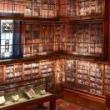
Museums | Friday Night Function at an Iconic Art Museum
Enjoy art, drinks, special programming, music, city views, and more! Throughout the night, there will be a few "15-minute tours," highlighting different parts of the collection.
Manhattan, New York, NY
Join the Club!
5:00 pm
free, tickets required
free, tickets required

Party | Play New Games like Blood on the Clocktower (BOTC)
Curious about a board game or looking to try something new? The Games Hosts will be teaching how to play a wide range of fun board games. Many come to play the social deduction game, Blood on the Clocktower (BOTC).
Manhattan, New York, NY
Join the Club!
5:00 pm
free, registration recommended
free, registration recommended
Museums | Art & Jazz After Hours at a Magnificent Museum
Enjoy an evening of art and jaz!. Explore galleries and special exhibitions after hours, grab a drink at the cafe or coffee bar, and enjoy exciting talks, live Jazz, and more. Internationally recognized as a premier museum and research center, this institution is known for its distinguished Old Master paintings and outstanding examples of European sculpture and decorative arts. Experience the collections in a relaxed, social atmosphere unlike any other time of day.
Manhattan, New York, NY
Join the Club!
5:30 pm
free, registration required...
free, registration required...

Museums | Friday Evening at the Famous Art Museum
This special, all-ages evening celebrates the art and the city. Explore in the galleries, get creative with drop-in drawing sessions, and see a film in the theaters. Museum stores and cafe will be open, too, so you can grab a bite, get drinks, or shop for unique design objects. Free for New York State residents but must be reserved in advance (up to two adults), and are subject to availability and proof of residency. Tickets are released one week in advance.
Manhattan, New York, NY
Join the Club!
5:30 pm
free for New...
free for New...
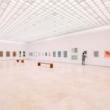
Workshop | Pilates in the Park
Club Pilates leads a series of controlled movements that emphasize proper form and breathing techniques to strengthen and improve flexibility in the core, back, and lower body. For ages 16+.
Manhattan, New York, NY
Join the Club!
5:30 pm
free, no reservation required
free, no reservation required
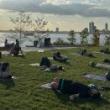
Discussion | Architecture Talk on Urbanization & Interconnectedness
Multidisciplinary perspectives on how architecture can support collective life. In attendance alongside writer and anthropologist Vyjayanthi Rao and Associate Curator Tau Tavengwa will be Hoor Al Qasimi, President and Director of the SAT, along with select participants from the upcoming edition who will each offer short introductions of their projects: Ranitri Weerasuriya, an architectural designer and founder of Let’s Build Great Things!, a community-based initiative that organizes architecture-based workshops at a children’s center in Colombo, Sri Lanka; Hiba Bou Akar, Associate Professor at Columbia University, whose research focuses on planning in conflict and post-conflict cities; Curry J. Hackett, multimedia artist and educator whose work reflects on Black schooling in the US to reconsider educational institutions as civic stages for new relationships between communities and learning.
Manhattan, New York, NY
Join the Club!
6:00 pm
free, RSVP required
free, RSVP required

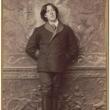
Lecture | Art Historian Explores the Legacy of an Influential Portrait Photographer
Drawing on her book, Napoleon Sarony's Living Pictures: The Celebrity Photograph in Gilded Age New York, Dr. Erin Pauwels explores the remarkable career of this eccentric artist and entrepreneur whose theatrical approach to photography transformed portraiture into performance. Through lavish staging, carefully directed poses, and an instinctive understanding of public image, Sarony helped shape the modern celebrity portrait while influencing ideas about fame, artistic identity, branding, and copyright that continue to shape how public figures cultivate their images today.
Manhattan, New York, NY
Join the Club!
6:00 pm
free, RSVP required
free, RSVP required
Concert | Internationally Acclaimed Beatboxer Blends Rhythm, Musicality & Vocal Innovation
Experience the extraordinary possibilities of the human voice with Gene Shinozaki, who is known for pushing the art form far beyond the beat. A California native now based in New York City, Shinozaki has electrified crowds with his singular blend of rhythm, musicality, and vocal innovation. Shinozaki discovered beatboxing and began performing on the streets of Boston. His journey has since taken him to stages around the world, including an appearance on FOX's So You Think You Can Dance and a historic win at Switzerland's Grand Beatbox Battle in 2015, where he became the first American to take home the title. The art form of Beatboxing started in the 1980s on the streets of New York City during the early days of hip-hop.
Manhattan, New York, NY
Join the Club!
6:00 pm
free, RSVP required
free, RSVP required

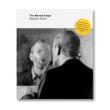
Book Discussion | Metropolitan Museum of Art-Featured Photographer Shares His Latest Book, The Mental Image
Stephen Shore shares his new book in a conversation with James Willing. The Mental Image is the latest book by Stephen Shore, one of the most influential photographers, writers, and teachers working today. Here, Shore turns to the inner life of images: how photographs are imagined, sensed, and carried in the body. The sequel to his global bestseller The Nature of Photographs (2013), this richly illustrated volume brings together numerous anecdotes, influences, references, and teachings to show how visualisation, attention, and embodiment can fundamentally alter how we perceive the world around us. Both practical and philosophical, The Mental Image offers a luminous and disciplined approach to seeing, for photographers, artists, and anyone drawn to a deeper understanding of perception.
Manhattan, New York, NY
Join the Club!
6:00 pm
free, no reservation required
free, no reservation required
6:30 pm
Regular: $30
Member: $0
Regular: $30
Member: $0
Join the Club!

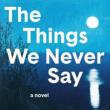
Book Discussion | Pulitzer Prize-Winning Author Shares Her "Stunning New Novel," The Things We Never Say
A conversation with Elizabeth Strout. In her most recent novel, Pulitzer Prize-winning author Elizabeth Strout tells the story of a beloved teacher, Artie Dam, and a chance incident that sparks a powerful realization and change in his life. He looks out at the world - at himself and the people around him - and turns a question over and over in his mind: How is it that we know so little about one another, even those closest to us? With exquisite prose and profound insight, Strout's new novel provides a poignant meditation on loneliness, friendship, parenthood, and the importance of truth in a capsizing world. "A stunning new novel from one of our most acclaimed observers of the human heart." - The Guardian
Manhattan, New York, NY
Join the Club!
6:30 pm
free, registration required
free, registration required
7:00 pm
Regular: $50
Member: $0
Regular: $50
Member: $0
Join the Club!

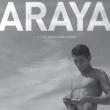
Screening | Araya (1959): Venezuelan Drama Film
For over 500 years, Venezuela's Araya peninsula has been mined for its salt by hand. Benacerraf's poetic documentary captures three families of salineros across the arid marshes. Shot in black and white, Araya captures a labor and trade preserved since salt was traded like gold, continuing as an embattled way of life on the peninsula. Lenfest is excited to share this film in 35mm. Director: Margot Benacerraf
Manhattan, New York, NY
Join the Club!
7:00 pm
free, registration required
free, registration required

7:00 pm
Regular: $20
Member: $0
Regular: $20
Member: $0
Join the Club!

Concert | International Beats with DJ So Money
DJ So Money brings a thoughtfully curated approach to the evening, blending soulful rhythms and global sounds to create an atmosphere that feels elevated yet welcoming. Her sets are designed with warm, intentional selections that feel stylish without being distracting. When DJ So Money is behind the decks, the music moves with purpose, and the vibe is always right.
Manhattan, New York, NY
Join the Club!
7:00 pm
free, no reservation required
free, no reservation required

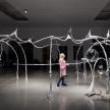
Performance | Cookie: Italian Picaresque-Inspired Performance Unfolding around a Sculpture
The play follows the traditional picaresque format, a literary style developed during the height of Spain's Golden Age in which a clever but poor hero, a picaro, uses their wits and tricks to survive in a corrupt and crumbling society. Drawing inspiration from 16th-century picaresque novellas like Lazarillo de Tormes and Francisco de Quevedo's The Swindler, Cookie is a story of desperation disguised as elite ambition. At its center is Gunnar Churchwell, a sleazy yet charismatic suit salesman who arrives in Madrid, only to be recruited by the egomaniacal ringleader of a grifting crew of makeshift "tailors." Their baseline rule for survival is simple: "never let them know you are hungry." Cookie unfolds around The Lair, a twisted aluminum sculpture resembling a street scaffold. The performance is a story of desperation disguised as elite ambition, highlighting anti-heroes who maneuver through the cracks of a glittering superpower purely to secure their next meal. Georgia Gardner Gray works across painting, performance, and theater. Her vivid canvases depict exaggerated figures in social spaces--bars, apartments, rehearsal rooms, city streets--each imbued with the comedy, absurdity, instability, and contradiction inherent in our modern lives. As an accomplished playwright, Gray captures the tension between intimacy and display, self-awareness and satire.
Manhattan, New York, NY
Join the Club!
7:30 pm
free, registration required
free, registration required
7:30 pm
Regular: $40
Member: $0
Regular: $40
Member: $0
Join the Club!
Dance Performance | Dance about Women, Friendship, & Changing Times
The Moving Architects’ Restless Women is an evening of dance. From The New Jam a 1960s-stylized quartet marked by Stepford Wives-esque precision, flashes of abandon, and a soundtrack of surf and British rock; to Where She Once Stood: Boarder’s Kitchen a jazz-infused duet portraying the resilient lives of women seeking work, safety, and community in a 1930s boarding house; to From the Sea, Across the Field, Up the Hill, a bluegrass-scored work about friends embracing the landscape and each other in a literary-inspired world, these works and the exceptional dancers who bring these stories to life exemplify The Moving Architects’ power to create compelling worlds filled with rigorous, spatially alive, fiercely feminine dance.
Manhattan, New York, NY
Join the Club!
7:30 pm
pay-what-you-wish, tickets required
pay-what-you-wish, tickets required

Opera | Puccini's Suor Angelica: One-Act Opera with All-Women Cast
This gorgeous opera--one of the composer's personal favorites, yet rarely performed as he intended, with the visceral resonance of a genuine pipe organ--will be performed with a newly commissioned chamber orchestration. Suor Angelica takes place entirely inside a 17th-century convent cloister, lending a site-specific, immersive nature to this performance. A story of family, lies, and heartbreak set within the restrictive world of cloistered nuns, this is the only opera in Puccini's entire canon that features no men onstage (the male chorus sings offstage). It offers a fascinating, intimate look into female relationships and the dynamics of a religious order. Guest artist Mikhaela Mahony directs.
Manhattan, New York, NY
Join the Club!
7:30 pm
free, tickets required
free, tickets required
7:30 pm
Regular: $30
Member: $0
Regular: $30
Member: $0
Join the Club!
8:00 pm
Regular: $135
Member: $0
Regular: $135
Member: $0
Join the Club!

8:00 pm
Regular: $35
Member: $0
Regular: $35
Member: $0
Join the Club!

8:00 pm
Regular: $20
Member: $0
Regular: $20
Member: $0
Join the Club!
8:00 pm
Regular: $30
Member: $0
Regular: $30
Member: $0
Join the Club!

Classical Music | Orchestral Works by Rossini, Beethoven, & More
The NYU Symphony Orchestra performs its season opener. Featuring works by Rossini, Cuong, and Beethoven. Conductor Diego Garcia leads the orchestra.
Manhattan, New York, NY
Join the Club!
8:00 pm
free, tickets required
free, tickets required
8:30 pm
Regular: $35
Member: $0
Regular: $35
Member: $0
Join the Club!

Join the Club!
Complimentary Tickets
to shows, concerts ... (CFT Deals!)
Classical Music | "Virtuoso" Pianist Performs Works by Liszt & More
Regular Price: $50CFT Member Price: $0.00
Today's Events
All 1057 Events
Free Events This Week
Free Events This Weekend
Contact FAQ Reviews About Terms of Use Privacy Policy
All events are free unless otherwise stated. All programs subject to change. Please confirm before going.Contact FAQ Reviews About Terms of Use Privacy Policy
© Copyright Club Free Time. All rights reserved.